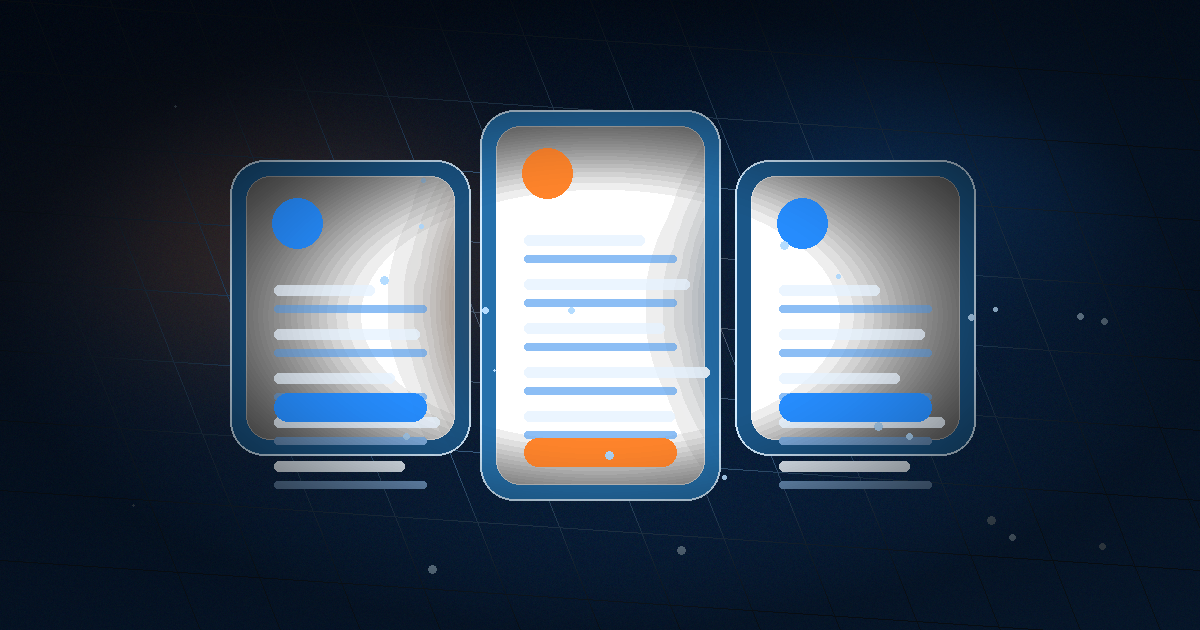
What is multi-tenant?
In a multi-tenant architecture, a single software instance serves many customers at once, the "tenants". Each accesses only its own data, but all share the same infrastructure. It's the model of Salesforce, Shopify or Slack: thousands of customers, one platform. Logistics is living the same shift.
The traditional model and its limits
Historically, a TMS (transport management system) is installed on your servers, configured at length and updated slowly. The infrastructure is often oversized for peaks that occur only a few days a year. For an SME, that's a heavy, inflexible investment.
The advantages of multi-tenant
- Shared cost: database, servers, monitoring and backups are shared across all tenants.
- Instant updates: a new feature benefits everyone immediately, with no migration project.
- Strict isolation: each tenant has a partitioned space; no query crosses a tenant's boundaries.
- Native scalability: a volume spike is absorbed without resizing a dedicated server.
A fast-growing market
This shift to software-on-demand sits within strong momentum: the fleet-management market is estimated at about $27 billion in 2025, with annual growth of around 16.9% according to industry analyses. SaaS, and multi-tenant in particular, is a driver of it.
New usage models
Multi-tenant opens up novel organisations: delivery franchises where each franchisee is an autonomous tenant, carrier groupings sharing resources, dynamic subcontracting between a principal and partners. dropfleet was designed multi-tenant from its first line of code: each customer has its own dispatch space, drivers and clients, fully isolated.
- Multi-tenant = shared infrastructure, 100% isolated data
- Instant updates with no migration project
- Native scalability to absorb peaks
- Fleet-management market ~$27B, +16.9%/yr (industry analyses)
Your dispatch space, ready in 5 minutes. Try dropfleet free for 14 days, no credit card.
Sources
This article is based on verifiable public sources: