The fixed route doesn't exist
You optimise a route in the morning, and from the first hour reality interferes: an urgent order drops in, a recipient cancels, an accident blocks a main road. Dispatch isn't a problem you solve once, it's a dynamic problem you must re-solve continuously.
Why recalculating is hard
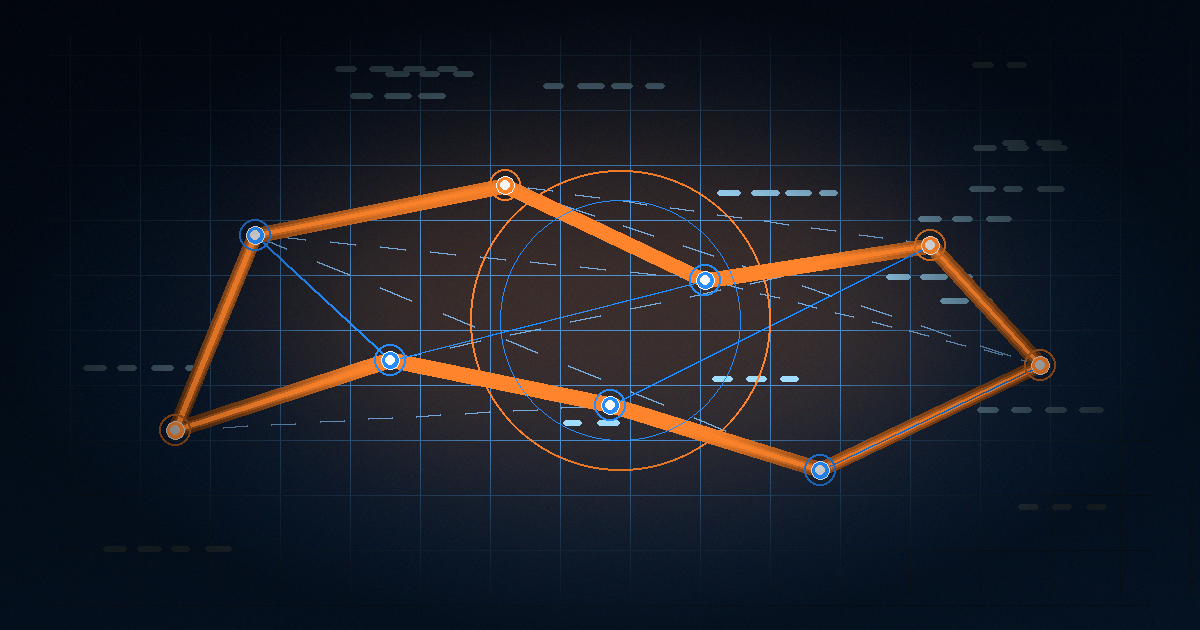
The routing problem is already NP-hard statically; dynamically, you must also react fast without breaking everything. Recomputing the whole day on every event would create chaos for drivers. The right approach is incremental: insert the new stop at the cheapest position, cleanly remove a cancelled stop, and re-sequence only what must change.
The role of real time
A meaningful recalculation needs fresh data: vehicle GPS positions, stop progress, traffic conditions. According to industry analyses of the fleet-management market, telematics and route optimisation deliver fuel savings of around 10 to 30%; much of that gain comes precisely from reacting to real conditions rather than a theoretical plan.
The GDPR guardrail
Tracking vehicles in real time means geolocating employees. France's CNIL frames this strictly: data is in principle kept only 2 months (up to 1 year if used to optimise routes), and drivers must be able to switch off location outside working hours. Real time yes, surveillance no.
With dropfleet
dropfleet recalculates on the fly: the dispatcher inserts an order into the most relevant route in one click, the driver gets the update on their app, and the sequence re-orders with no re-entry. The unexpected becomes an adjustment, not a crisis.
- Dispatch is a dynamic problem: you replan continuously
- The right method is incremental, not constant full recalculation
- Real time delivers part of the 10–30% savings (industry analyses)
- Geolocation = strict CNIL framework (2 months, off-duty opt-out)
Turn every surprise into a simple adjustment. Try dropfleet free for 14 days, no credit card, ready in 5 minutes.
Sources
This article is based on verifiable public sources: